Rethinking How We Shape and Improve Our Living Spaces
Wiki Article
Every house tells something. Inside, you find repeated actions, small traditions, leftover silences between walls. As months pass, what matters inside shifts too. People add years, jobs demand different hours, what felt urgent once now sits still. Most times, it happens right then - eyes begin seeing corners and walls in a new light, not rigid, instead full of give. Suddenly, what felt stuck begins to breathe, allowing shifts that dig deeper than paint or rearranged furniture ever could.
A home grows stronger when changes meet true demands, not passing fads. What matters most shows up in daily comfort, not glossy images. Choices rooted in routine bring quiet satisfaction over time. Living spaces breathe easier once they follow the rhythm of those within. Real updates stick around because they fit like an old coat.
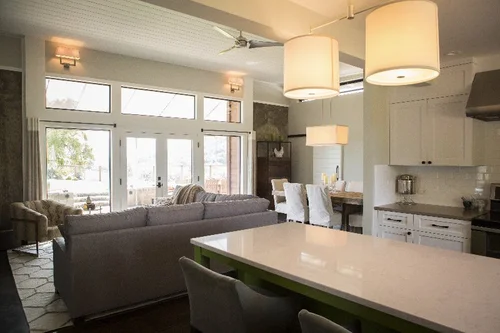
Why Home Upgrades Happen
When life shifts, walls stay still. A countertop gets too small between morning routines. Closets fill up before you notice. The layout holds on, even as people evolve inside it. That mismatch - quiet at first - begins to hum louder over time.
Here’s what counts: purpose. Poking at why things work - or don’t - begins by asking straight-up how spaces get lived in every day. Frustrations reveal themselves when someone pays attention to routines, like morning chaos near the coffee maker or tripping over shoes by the door. When people approach home remodeling from this angle, they make decisions that add real value to their lives, not just to the property.
A fresh start often calms the mind. Flow finds its rhythm when changes are thought through. New habits settle better if they fit how you move through space. When things make sense, picking colors or furniture feels less like guessing.
Think Ahead Before Choosing
Outcomes that work usually come from something deeper than luck. Built on clear thinking, they take shape when plans are tight and hopes stay grounded. Slowing things way down helps before any wall shifts or tiles get picked. What matters most gets sorted early, quietly guiding what comes next. The start here colors every step after.
Figuring out a plan? That involves knowing the money limits, time frames, and what the current building can actually handle. Choices come into play - some ideas just won’t work in certain spots. Wishes often bump up against real-world rules. Once folks get that, everything moves smoother, quieter, like breathing instead of pushing. The chaos fades when planning is taken seriously.
Ahead of time, thinking things through shields people from looking back with doubt. When decisions are made with care early on, changing minds later fades away.
Layout Adjustments Affect Everyday Ease
How a house flows often shapes its vibe more than anything else. When rooms connect smoothly, moving through them just works - people talk easily, spaces feel separate yet linked. But when things are off, each step can feel slightly wrong, like doors that block paths or corners where voices pile up. Little hiccups add up, even if you cannot name them.
Families find it easier to stay close when rooms flow together, yet having separate spots means peace is never far away. Sunlight shifts across surfaces, changing the mood of a place hour by hour. How you see through one area into another affects movement and calm. Space isn’t just about size - how it stretches around you plays a role too. Over time, appearance fades; what lasts is how living there actually feels.
When folks pay attention to how rooms are arranged while updating their house, they sometimes find it seems roomier and more peaceful - even though nothing got bigger.
Materials That Last Through the Years
Looks matter, yet so does wear. Pick poorly, things show stress fast - scratches, fading, odd textures appear. Choose wisely, though, and surfaces handle time without begging for care. What feels good today might annoy tomorrow if it fights against real life. Living with something every day reveals its true nature, not just the first impression. Longevity hides in fibers, grains, finishes - not just color swipes on a sample board.
Long-lasting floors handle heavy foot traffic well because daily wear doesn’t show so fast. Busy homes need surfaces that wipe clean quickly since spills happen often. Soft underfoot feels better when you’re unwinding after hours on your feet. Right choices blend into routines by matching what each room actually does.
Freshness lasts longer when materials are picked with care - costs drop over time because of smarter picks. Trends come and go, yet rooms hold their feel through thoughtful selections that quietly adapt.
Flexible living options adapt to changing needs
Folks who own homes are starting to want spaces that can shift as life shifts. Things move on; houses stay put - but what people need inside them sure doesn’t freeze in time. When walls or rooms adapt easily, change feels less like tearing everything apart. A layout that bends means fewer rebuilds down the road.
Out here, talk of ADU construction and Santa Rosa zoning starts to make sense. Some look into it because Mom or Dad needs a quieter place nearby. Others see a chance to earn extra by renting out a small unit. What sticks isn’t just adding space - it’s shaping something that can shift with life’s changes.
Thoughtfully arranged, such upgrades blend into the home’s current layout, lasting well while keeping daily life undisturbed. A smart setup lets them become part of the whole instead of feeling tacked on. Over time, they prove useful without demanding attention or altering how rooms are used.
Style Meets Function Without Sacrifice
Home choices always carry a bit of self, yet design shines brightest when it helps more than just looks. A room ought to mirror its inhabitants, not copy some staged display.
Every shade, surface, and sheen shifts how you feel - still, each must match what happens in the space. Rest thrives where bedrooms stay soft and slow. People lean in when living zones feel open and warm. Function shapes imagination instead of blocking it. Purpose steers invention without stealing its spark.
A fresh start on renovations can backfire if comfort gets swapped for style. When living spaces miss the mark, mornings unfold with small frustrations instead of ease. Picking finishes becomes tricky when eye appeal clashes with how a room actually works. Some changes dazzle at first yet grate after weeks of use. Matching practical needs to design keeps the space feeling right long after the project ends.
Handling Change While Staying Grounded
Home changes often mean noise and mess. Dust settles where it shouldn’t. Yet things feel calmer when people expect what comes next. Planning ahead shifts how hard it seems. The mind adjusts before the walls do.
Starting small habits, guarding what matters, yet talking often lowers pressure. Still, it helps to recall the reason things began at all. Holding that picture close makes brief hardship feel like building something lasting down the road.
Waiting quietly here can shape what comes later. How things land when finished ties back to how still someone stays through it.
Value That Lasts Past Quick Wins
Time tells what really works when a house changes. Mornings flow better, get-togethers happen without fuss, rooms stop getting in the way. Pictures miss these things, yet they’re felt each day.
Building extra spaces now, say a backyard home in Santa Rosa, opens up unseen options later. When money worries hit, or kids grow up, having that space already planned helps avoid panic moves. Thinking ahead this way doesn’t shout about it - still, it makes owning feel steadier. Quiet strength comes from choices already built in.
Fresh changes that fit how people actually live tend to keep delivering value well into the future, even when the initial excitement fades.
Conclusion
Home changes work best when things fit together. Space meets need, life matches layout. With clear thinking, slow steps, purpose guiding each choice, outcomes seem right instead of pushed. The feeling grows from how pieces settle.
A shift happens when small choices add up - planning with care, staying open to change, then noticing how routines shape progress. Comfort grows not by accident but through steady nudges, each habit feeding the next. What feels like effort today becomes part of the air tomorrow. Homes breathe better when treated as something that shifts, stumbles, learns. Outcomes show up quietly, not with fanfare but in moments where space fits just right.
FAQs
A single upgrade effort often lasts several weeks. Most changes wrap up within a month or two. Some tweaks stretch into three months. A few cases move faster than expected. Timing shifts based on size. Each situation adjusts the clock differently
How long things take shifts a lot, shaped by how big the job is, how well it's mapped out, or how fast choices get made. When aims are sharp and groundwork solid, time spent usually drops - sometimes by quite a bit.
Is it better to upgrade all at once or in stages
How much you spend, how much mess you can handle, then what you want down the road - these shape the choice. One go-all-at-once push suits certain folks. Others move step by step, keeping options open as they go.
How do homeowners avoid regret after making design choices
Most times regret shows up when moves are too quick. Pausing lets you see what your routine really looks like, plus where you’re headed. That kind of space changes how solid a decision feels weeks later.
Are flexible living additions worth considering early
Finding room to adjust down the line usually means less hassle, fewer dollars spent. Things such as constructing an ADU building & planning Santa Rosa go smoother when woven into future thinking from the start instead of tacked on once everything else is set.